
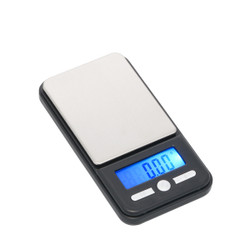
A dependable digital scale is an important measurement tool for lawful ammunition reloading. It can help users verify component weights, check equipment performance, and work consistently with published data from reputable reloading-manual and component sources.
Because reloading involves energetic materials and firearms, scale selection should never be based on price or displayed digits alone. The best digital scale for reloading should provide appropriate grain resolution, reliable repeatability, documented accuracy, straightforward calibration, and a stable platform designed for small loads.
A digital scale does not determine whether a load is safe. It cannot identify the correct powder, charge, primer, cartridge case, bullet, cartridge overall length, or loading procedure. Reloaders must use current published data from established sources, follow the instructions supplied by component and equipment manufacturers, and never improvise recipes or exceed published limits.
This guide focuses on choosing and maintaining a scale rather than providing ammunition-loading data.
Why Scale Quality Matters in Reloading
Reloading requires careful measurement. A scale that drifts, produces inconsistent readings, or is used incorrectly can undermine an otherwise organized process.
A suitable digital scale can help with:
-
Verifying the operation of a powder-measuring system
-
Comparing component weights
-
Sorting cartridge cases or projectiles for specific lawful applications
-
Checking the consistency of repeated measurements
-
Confirming that the scale returns to zero
-
Detecting an unexpected change in a measurement process
-
Recording quality-control information
-
Verifying results with a separate measurement method
Organizations such as the Sporting Arms and Ammunition Manufacturers’ Institute publish technical standards and industry information relating to firearms and ammunition. Scale users should also follow all applicable laws, equipment manuals, component instructions, and established firearm-safety practices.
What Type of Digital Scale Is Best for Reloading?
For many reloading applications, the most useful scale is a precision digital model that:
-
Displays in grains
-
Reads in 0.1-grain increments or finer
-
Has adequate capacity for the pan and intended materials
-
Produces repeatable measurements
-
Supports user calibration
-
Includes tare or zero functionality
-
Has a clear, easily visible display
-
Responds promptly without unstable drifting
-
Provides overload and low-battery warnings
-
Is supported by clear manufacturer instructions
Many AWS precision scales are designed for measurements requiring finer graduations than ordinary household scales. Each model’s intended use, measurement units, resolution, capacity, and calibration procedure should be checked individually.
Grain Resolution: What Do You Need?
Resolution is the smallest increment displayed by the scale. A scale with 0.1-grain resolution changes in one-tenth-grain steps. A whole-grain scale changes in 1-grain steps.
For reloading, a whole-grain resolution is generally too coarse for fine measurement work. Many reloaders look for at least 0.1-grain resolution because published component and equipment information frequently uses grains.
A finer display does not automatically make a scale safer or more accurate. Resolution must be evaluated alongside:
-
Stated accuracy
-
Repeatability
-
Calibration
-
Response time
-
Environmental sensitivity
-
Measurement technique
A scale that displays hundredths of a grain but produces a different result each time the same reference is weighed may be less useful than a stable scale displaying tenths of a grain.
Grains Versus Grams
The grain is a unit of mass commonly used in ammunition and reloading information. The conversion is:
1 gram = approximately 15.432 grains
Although conversion is possible, a scale with native grain mode is preferable because it avoids additional calculations, rounding, and transcription errors.
Before buying, confirm that the scale displays grains directly. Do not assume that every precision or milligram scale includes a grain setting.
Accuracy, Resolution, and Repeatability Are Different
These terms are often treated as if they mean the same thing, but each describes a different part of scale performance.
Accuracy
Accuracy describes how closely a result agrees with the actual value within the manufacturer’s stated conditions and tolerance.
Resolution
Resolution describes the smallest change visible on the display.
Repeatability
Repeatability describes how consistently the scale reports the same result when the same item is weighed repeatedly under unchanged conditions.
All three matter. Fine resolution cannot compensate for inadequate accuracy or poor repeatability.
The NIST Office of Weights and Measures provides educational information about weighing, measurement systems, standards, and device terminology. While personal reloading scales are not necessarily regulated commercial devices, the same basic distinctions can help buyers evaluate product specifications.
How Much Capacity Does a Reloading Scale Need?
Capacity is the maximum physical load the scale can measure. Reloading applications generally do not require extremely high capacity, but the scale must accommodate:
-
The weighing pan
-
The material being measured
-
Test or calibration weights
-
Any container or support placed on the platform
-
A margin below the maximum load
A capacity between approximately 100 and 500 grams is sufficient for many small-component measurement tasks. Higher capacity may be useful when weighing larger component batches, but it can come with coarser resolution.
Do not select a scale merely because it has the largest capacity. A smaller-capacity precision model may offer more appropriate resolution for lightweight measurements.
Tare Does Not Restore Capacity
When you place a pan on the scale and press tare, the display returns to zero. The scale is still physically carrying the pan.
If a scale has a 100-gram capacity and the pan weighs 20 grams, only 80 grams of physical capacity remains after taring. Exceeding the maximum can damage the weighing mechanism even if the display was previously reset to zero.
Calibration Is Essential
Calibration helps establish the relationship between a known reference weight and the value displayed by the scale. A reloading scale should provide a documented calibration process and specify the correct calibration weight.
American Weigh Scales offers calibration weights for compatible products. Confirm the exact value required for your model before ordering or beginning calibration.
Never substitute an object of assumed weight. Coins, bullets, cartridge cases, and other ordinary objects may vary because of manufacturing tolerance, wear, residue, oxidation, or damage. A component’s nominal weight is not the same as a certified or appropriate calibration reference.
When Should a Digital Scale Be Calibrated?
Follow the scale manufacturer’s instructions. Calibration may be appropriate:
-
Before an important measurement session
-
After moving or transporting the scale
-
After long-term storage
-
Following a significant temperature change
-
After replacing batteries when results appear unusual
-
After an impact or overload
-
When a verification weight produces an unexpected reading
-
When measurements are no longer repeatable
Calibration cannot compensate for a damaged load cell, unstable workbench, contamination, static electricity, or airflow. If the scale remains unreliable after correct setup and calibration, stop using it for critical measurements.
Calibration Versus Verification
Calibration adjusts or establishes the scale’s response using a specified reference. Verification checks whether the scale continues to produce an expected result.
A simple verification routine can include:
-
Place the scale on a stable surface.
-
Turn it on and let it stabilize.
-
Confirm the display reads zero.
-
Apply an appropriate known check weight.
-
Record the result.
-
Remove the weight.
-
Confirm the display returns to zero.
-
Repeat the check.
A verification weight should be handled carefully and kept clean. Avoid touching precision weights unnecessarily because skin oils and debris may affect small measurements.
For background on weighing-device performance and terminology, consult the current NIST Handbook 44. The handbook is intended for regulated commercial weighing and measuring equipment, so its requirements should not be mistaken for a certification of a personal scale. It is nevertheless a useful technical reference.
Pocket Scale or Bench Scale?
Pocket Scales
A pocket scale offers compact storage and portability. It may be appropriate for users with limited bench space or those who need a secondary scale for non-operational verification tasks.
Potential advantages include:
-
Small footprint
-
Protective cover
-
Battery operation
-
Easy storage
-
Portable design
-
Fine resolution on selected models
The selection of AWS pocket scales includes multiple capacity and graduation combinations. Confirm that the selected model supports grain mode and has a suitable pan and platform.
Pocket scales should be protected from impact, pressure, loose components, and contamination during storage.
Bench Scales
A bench scale may provide:
-
A larger platform
-
Greater physical stability
-
A larger display
-
AC power on certain models
-
More room for containers
-
Easier permanent placement
Not every bench scale has sufficiently fine resolution for reloading work. Kitchen, postal, and general-purpose scales may have a high capacity but display in increments that are too coarse.
Milligram Scales
A milligram scale can display very small changes in mass. The available AWS milligram scales may be useful for applications requiring finer gram-based measurements.
However, greater sensitivity also increases the influence of drafts, vibration, static electricity, temperature, and inconsistent placement. Always verify that the scale offers grain mode, adequate capacity, documented accuracy, and stable performance.
Platform and Pan Design
The scale platform should support the weighing pan securely and consistently. A pan that rocks, hangs over the platform, contacts the scale housing, or shifts during measurement can affect the reading.
Look for:
-
A level platform
-
A pan that sits securely
-
Enough clearance around the pan
-
A display that remains visible
-
Buttons that cannot be pressed accidentally
-
A surface that is easy to clean
-
A platform cover for storage
The tare function should reset the pan to zero without excessive delay or drifting.
Avoid placing energetic materials directly on an unapproved or contaminated platform. Follow the handling instructions provided by the material and equipment manufacturers.
Response Time and Reading Stability
A scale should respond promptly to a load and settle at a stable reading. Excessively slow response can make repeated verification difficult, while overly aggressive filtering may temporarily hide small changes.
Observe whether the scale:
-
Returns to zero after the item is removed
-
Produces the same result during repeated checks
-
Stabilizes within a reasonable period
-
Responds to small, appropriate test changes
-
Drifts while the load remains unchanged
-
Changes when nearby equipment operates
Test the scale with appropriate reference weights, not through experimentation with unverified loading data.
Environmental Conditions Affect Digital Scales
Digital scales can be influenced by their surroundings. A stable setup is essential for meaningful readings.
Air Movement
Fans, heating and cooling vents, open windows, and breathing over the platform can disturb sensitive measurements. Use the scale away from drafts.
Vibration
Reloading presses, tumblers, fans, power tools, speakers, and flexible tables can transmit vibration. Place the scale on a rigid surface separate from active machinery.
Temperature
Allow the scale and reference weights to reach room conditions. Moving a scale from a cold garage or vehicle into a warm room and using it immediately may produce unstable results.
Static Electricity
Plastic pans, synthetic clothing, dry air, powder-handling accessories, and packaging can generate static. Follow the material and equipment manufacturers’ instructions for controlling static and avoiding ignition hazards. Never introduce an unapproved electrical or improvised anti-static device near energetic materials.
Electromagnetic Interference
Phones, radios, chargers, fluorescent-light components, and other electronic devices may interfere with some scales. If readings change when another device is activated, increase the distance and consult the scale manufacturer.
Power Supply Considerations
Digital scales may operate with batteries, an AC adapter, or both.
Battery-powered models provide portability and separation from potentially noisy power sources. Weak batteries, however, may contribute to erratic performance. Replace them when the low-battery indicator appears or when the manufacturer recommends it.
If using an AC adapter:
-
Use only the specified adapter
-
Inspect the cord for damage
-
Keep the cord from pulling on the scale
-
Route it away from the working area
-
Avoid unapproved extension arrangements
-
Check whether nearby electronics affect readings
A scale should be restarted and reverified if its power source changes during a session.
Useful Features in a Reloading Scale
Native Grain Mode
Direct grain readings reduce conversion and transcription mistakes.
Tare or Zero
Tare removes the displayed weight of the pan while preserving awareness of the scale’s physical capacity.
Backlit Display
A clear display makes readings easier to see without leaning over the platform or moving the scale.
Overload Indicator
An overload warning helps protect the weighing mechanism. Remove the load immediately if it appears.
Low-Battery Indicator
This feature alerts the user before power becomes unreliable.
Adjustable Automatic Shutoff
Automatic shutoff saves battery power, but a short timeout can interrupt work. A configurable function is preferable.
Protective Cover
A rigid cover protects the platform during storage and transportation.
Warranty and Instructions
Clear instructions, support, and warranty coverage are important for a scale used in precision work.
A model such as the ZEO50 high-precision digital milligram scale may offer the fine resolution desired for small measurements. Always confirm its current specifications, grain mode, capacity, calibration requirements, and suitability for the intended application before purchasing.
Use a Second Verification Method
Reliance on one instrument creates a single point of failure. A second scale or appropriate independent checking method can help identify unexpected drift or setup problems.
Verification is particularly important when:
-
Opening a new component lot
-
Changing equipment
-
Moving the scale
-
Returning after a long break
-
Replacing batteries
-
Observing an unexpected result
-
Detecting inconsistent scale behavior
If two instruments disagree, stop and investigate. Do not simply choose the result that seems more convenient.
Digital Scale Buying Checklist
Before purchasing a digital reloading scale, confirm:
-
It displays grains directly
-
Its resolution is appropriate for the intended measurement
-
The accuracy specification is clearly stated
-
Repeatability meets your needs
-
Capacity includes the pan and complete load
-
User calibration is supported
-
The required calibration weight is available
-
Tare is included
-
The platform securely holds the pan
-
The display is clear and easy to read
-
Response time is practical
-
The scale returns reliably to zero
-
Overload and low-battery indicators are present
-
Automatic shutoff suits your workflow
-
Power options fit the work area
-
Instructions and warranty information are available
The broader range of American Weigh Scales digital scales allows buyers to compare portable, precision, milligram, and higher-capacity formats.
Reloading Safety Considerations
Scale selection is only one part of a safe reloading setup. Always:
-
Use current published data from reputable sources
-
Read the manuals for every tool and component
-
Wear appropriate eye protection
-
Keep the workspace organized
-
Use only correctly identified components
-
Keep energetic materials in approved containers
-
Avoid open flames, sparks, smoking, and ignition sources
-
Keep children and unauthorized persons away
-
Stop when distracted, tired, or uncertain
-
Never exceed published limits
-
Never substitute components unless current published data explicitly permits it
-
Discard or isolate anything that cannot be positively identified
-
Follow applicable local, state, and federal laws
The National Shooting Sports Foundation’s firearm-safety resources provide general information about responsible firearm handling and storage.
Reloading can also involve potential exposure to lead from certain primers, projectiles, residue, or contaminated surfaces. Review information from OSHA on lead exposure and CDC/NIOSH lead resources when developing hygiene, ventilation, and housekeeping practices.
Wash hands after handling components, avoid eating or drinking in the work area, and follow current occupational or public-health guidance applicable to your environment.
Common Digital Scale Mistakes
Avoid these frequent errors:
-
Confusing resolution with accuracy
-
Assuming more decimal places guarantee better measurements
-
Failing to calibrate as directed
-
Using a component as a calibration standard
-
Ignoring the weight of the pan
-
Operating near or above maximum capacity
-
Placing the scale beside a working press or tumbler
-
Weighing under a fan or air vent
-
Using the scale immediately after a temperature change
-
Continuing after readings become unstable
-
Ignoring weak batteries
-
Allowing debris beneath the pan
-
Relying on only one unverified instrument
-
Using outdated or unofficial loading information
-
Treating a scale reading as the only safety check
Frequently Asked Questions
What resolution should a reloading scale have?
Many users choose a scale displaying at least 0.1 grain. Finer resolution may be useful only when the scale’s accuracy, repeatability, calibration, and operating environment support it.
How much capacity does a reloading scale need?
A capacity of approximately 100 to 500 grams is sufficient for many small measurement tasks. Include the pan and all material placed on the platform when calculating capacity.
Is a 0.01-gram scale suitable for reloading?
A 0.01-gram increment equals approximately 0.154 grain. It may provide useful resolution, but native grain mode, stated accuracy, repeatability, calibration, and stability must also be evaluated.
Can I calibrate a reloading scale with a bullet or coin?
No. Use the calibration weight and procedure specified by the scale manufacturer. Bullets, coins, and other ordinary objects may vary from their nominal weights.
Is a pocket scale suitable for reloading?
A pocket scale may be suitable if it offers the required grain resolution, capacity, repeatability, calibration, and stable platform. Confirm the manufacturer’s specifications and intended uses.
Should I use two scales?
An independent verification method is valuable for identifying unexpected drift or instrument disagreement. If two scales disagree, stop work and determine the cause before proceeding.
Final Thoughts
The best digital scale for reloading combines appropriate grain resolution with documented accuracy, reliable repeatability, sufficient capacity, user calibration, and a stable platform. For many applications, 0.1-grain resolution and a capacity between 100 and 500 grams provide a practical starting point, but specifications must be evaluated as a complete system.
A scale cannot make an improvised or unpublished load safe. Its role is to provide dependable measurement within a disciplined process built around current published data, correct components, proper equipment, careful verification, and responsible firearm-safety practices.
Choose the scale thoughtfully, use the specified calibration weight, control drafts and vibration, verify performance regularly, and stop whenever a measurement appears inconsistent. Precision depends as much on the process and environment as it does on the number displayed.